
HISTORY
At Hope United Academy (HUA), history is more than dates and dead facts — it’s His Story unfolding through ordinary people, and it’s taught in a way bright learners who think differently can truly grasp, remember, and be shaped by. Building on our original curriculum and signature chant that have already spread to schools across the Southeast, HUA brings a multisensory, structured approach inspired by Orton‑Gillingham principles to history instruction so students with dyslexia, processing differences, and executive‑function challenges thrive.
What this looks like
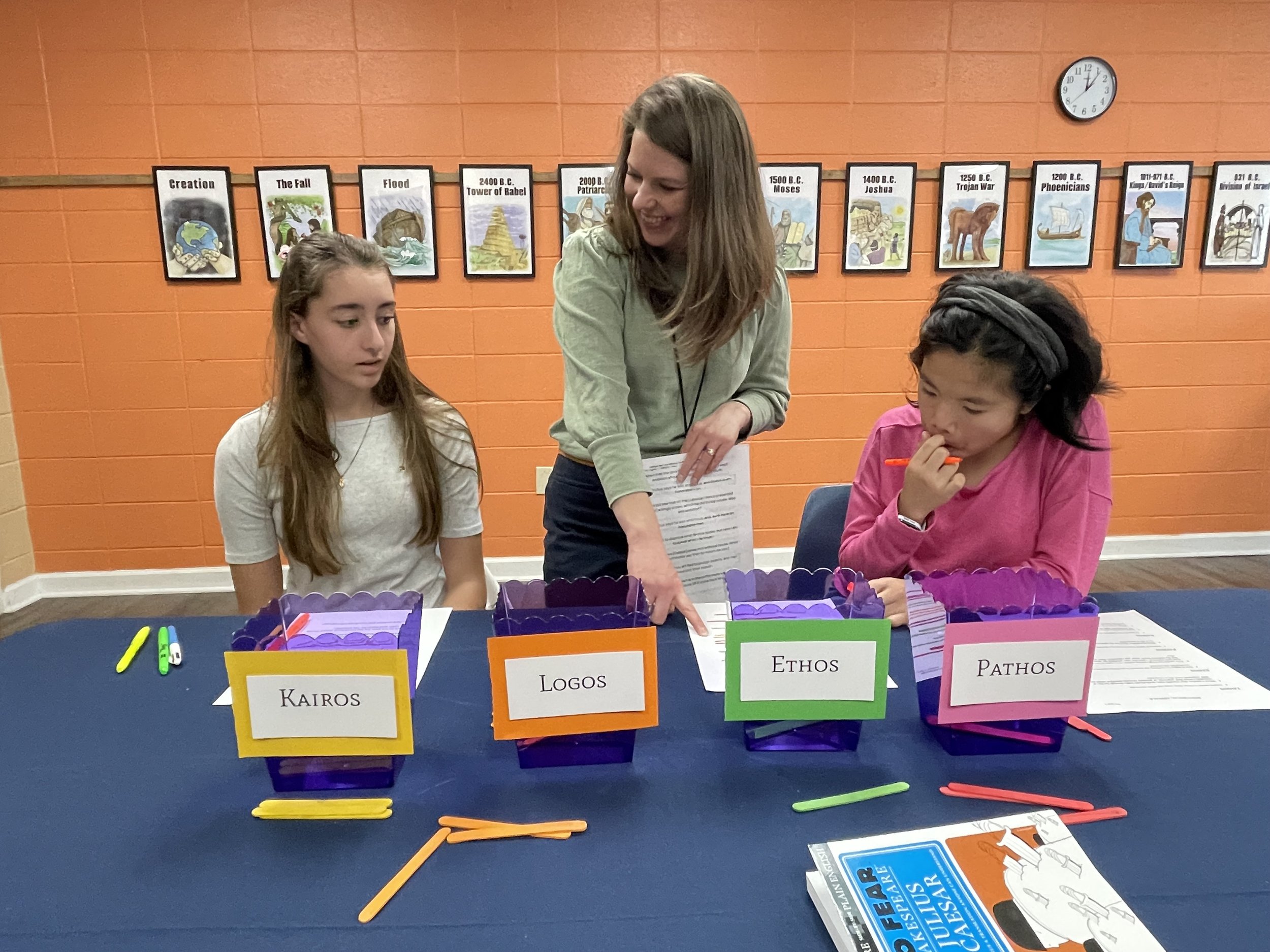
Multisensory delivery: Lessons pair spoken narrative, written timelines, tactile maps, visual storyboards, and kinesthetic activities so students encode information through multiple pathways and retain it longer.
Structured, cumulative sequencing: Concepts are introduced in a carefully scaffolded order and revisited with increasing complexity, mirroring Orton‑Gillingham’s explicit, cumulative design to build mastery and confidence.
Signature chant and memory supports: Our chant, rhythm patterns, mnemonic devices, and musical cues make essential facts and themes easy to recall for students who learn best through auditory and rhythmic memory.
Small cohorts and intensive scaffolding: History is taught in cohort-based classes that provide ample teacher modeling, guided practice, and immediate feedback—an environment that reduces overwhelm and supports executive functioning.
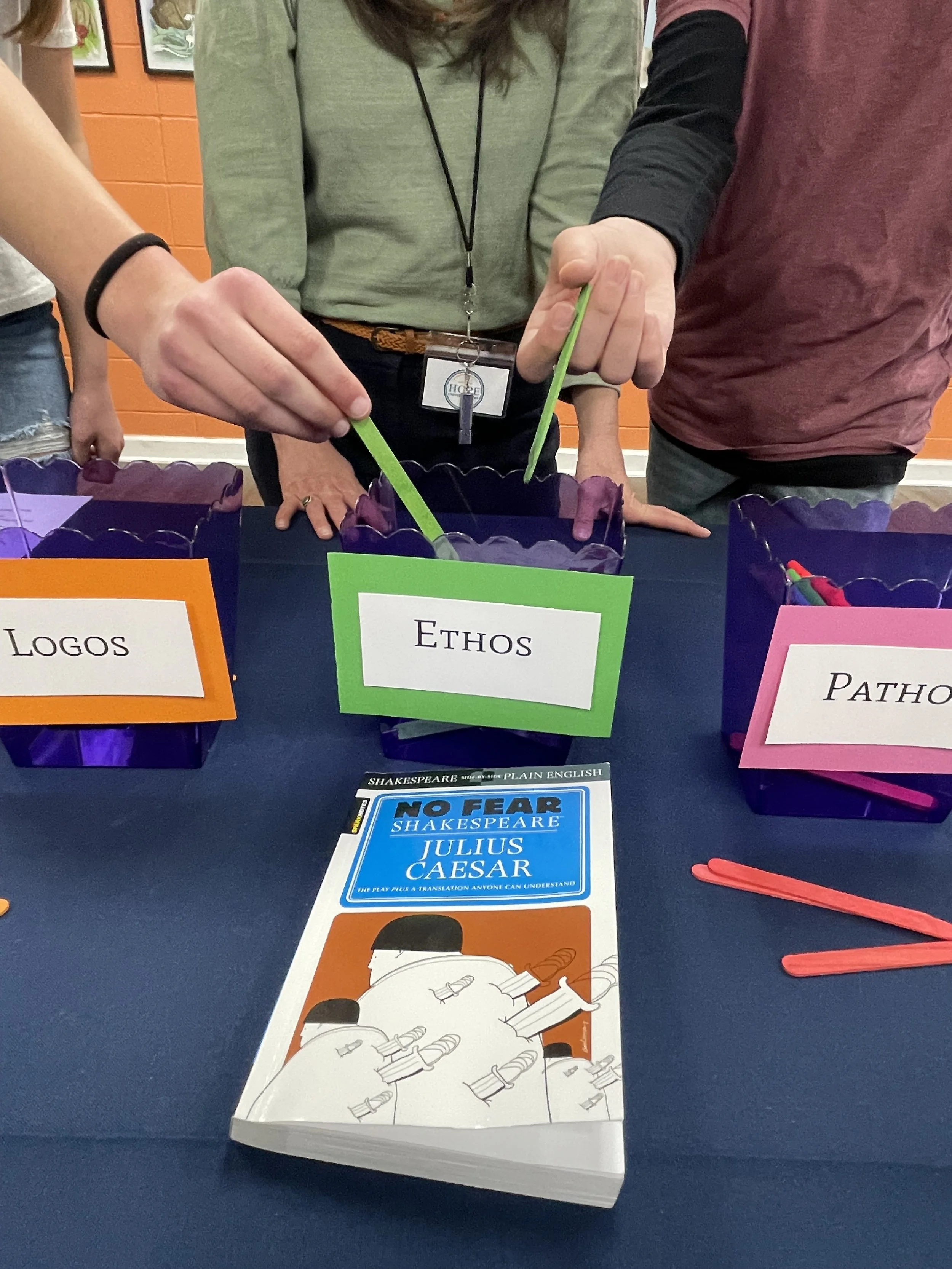
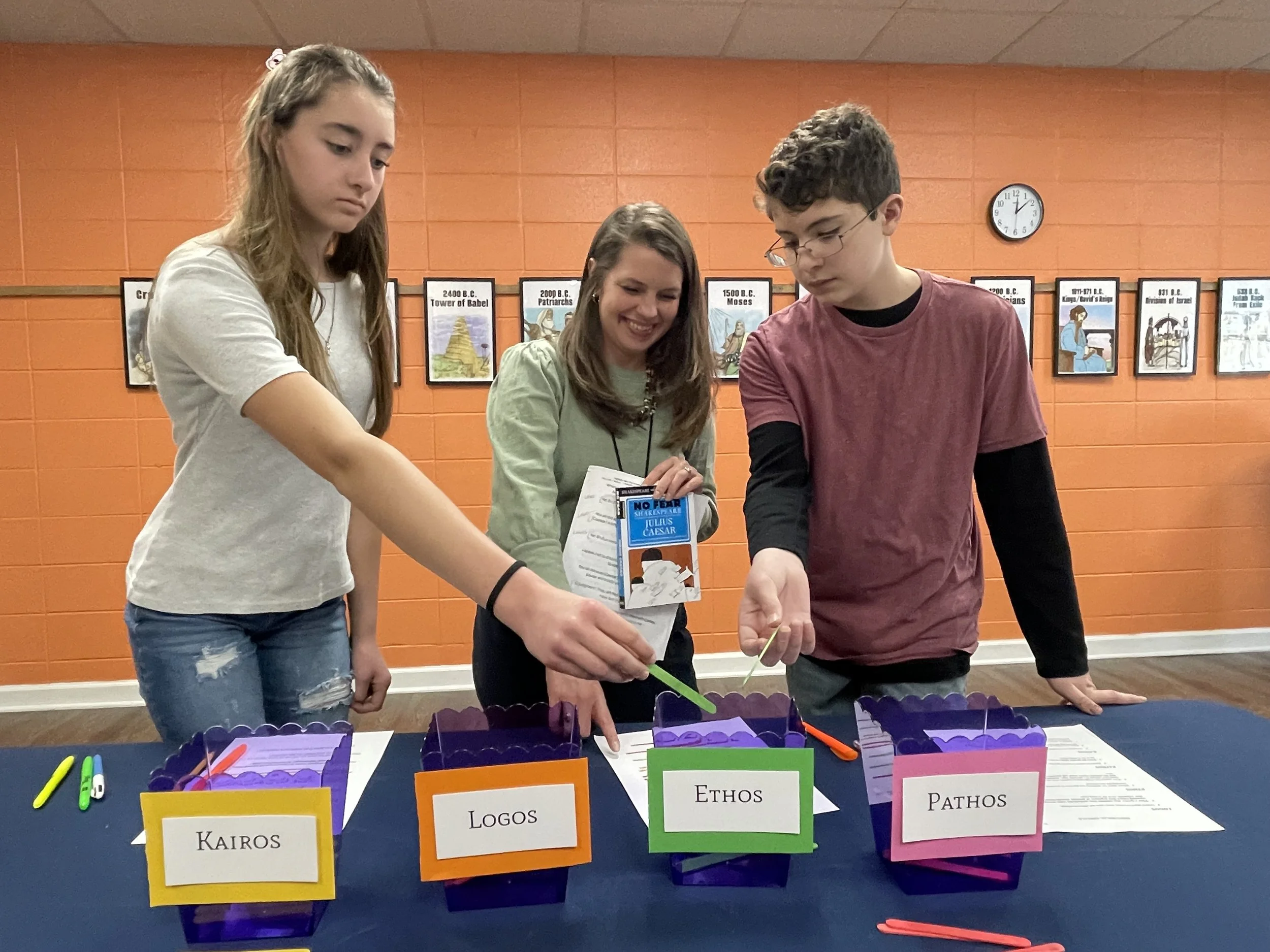
Discussion, debate, and Socratic practice: Students process content through guided discussions and debates that strengthen reasoning, perspective-taking, and verbal expression in a supportive setting.
Hands-on and project-based learning: Primary-source labs, artifact analysis, map-building, living-history simulations, and maker projects translate abstract events into concrete experiences.
Multimodal reading supports: Orton‑Gillingham–informed strategies—direct instruction in decoding, structured note-taking, pre-reading scaffolds, and targeted comprehension supports—help students access college-prep texts and period literature.
Technology integration: Assistive tech (text-to-speech, audio recordings, dyslexia‑friendly fonts), interactive timelines, and multimedia primary sources personalize access and engagement.
Rigorous, college-prep content with flexible pathways: Course content meets high academic standards; students may pursue honors sections or dual‑enrollment options while still receiving the specialized instructional supports they need.
Why this matters Students learn that the same God who worked through unexpected, ordinary people in history can work through them today. By combining faith-centered storytelling with research-based, Orton‑Gillingham–inspired methods, HUA not only builds knowledge but also strengthens literacy, executive skills, and a resilient worldview. The result is students who are prepared for higher education and equipped to take their place in God’s ongoing story.
Program highlights
Curriculum built and piloted at HUA, adopted by schools across the Southeast
Orton‑Gillingham–informed multisensory strategies applied across history instruction
Small, cohort-driven classes promoting individualized attention and peer discourse
Hands-on labs, period literature, and technology to support varied learning needs
Honors and dual-enrollment routes available for college readiness
At HUA, history instruction is intentionally designed for learners who think differently: academically rigorous, multisensory, faith-centered, and built to help every student remember, understand, and be transformed by His Story.